The Challenge of Antibiotic Resistance
Antibiotics are one of the most powerful tools in modern medicine, but their effectiveness is at risk. Antibiotic resistance occurs when bacteria evolve to withstand the drugs designed to kill them, making common infections difficult or even impossible to treat. This is a significant global health problem, with tens of thousands of deaths each year attributed to resistant infections like MRSA (Methicillin-resistant Staphylococcus aureus) in the United States alone.
The primary driver of this resistance is the overuse and misuse of antibiotics. Every time bacteria are exposed to these drugs, the weakest are killed, while any that have developed a lucky mutation for resistance survive and multiply. This process, evolution by natural selection, ensures that resistant bacteria become more prevalent over time.
While the development of new antibiotics is one way to combat this issue, the process is slow and costly, developing a new antibiotic takes 10-15 years and over $1 billion USD. This makes it critical to minimize the selective pressure we place on bacteria.
The Data Problem
Antibiotics are used in various sectors, including agriculture, to prevent and treat disease in livestock. This widespread use in our food supply contributes to the overall presence of antibiotics in society, potentially accelerating the development of drug-resistant bacteria.
This project, which I originally developed for my high school Animal Science class, explores the connection between antibiotics in livestock and antibiotic resistance in hospitals. Using publicly available data from the FDA and CDC, the goal was to analyze and visualize the connection between antibiotic sales for use in food animals and the prevalence of antibiotic-resistant infections in U.S. hospitals.
Data Source:
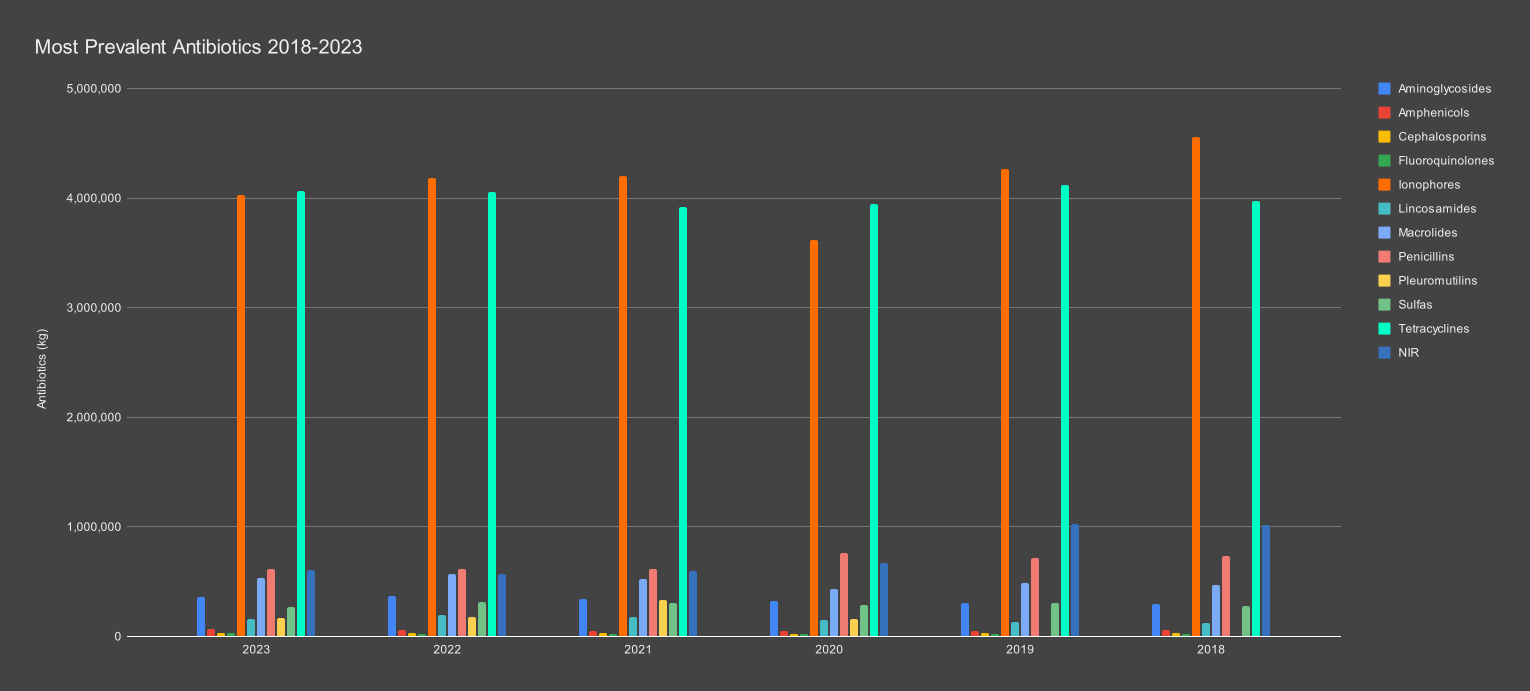
The first thing I wanted to see was how much antibiotics were being introduced into the food system and what types of antibiotics. Below is the amount and classes of antibiotics for the years 2018 – 2023. As you can see, Tetracyclines and Ionophores are the dominant antibiotic classes.
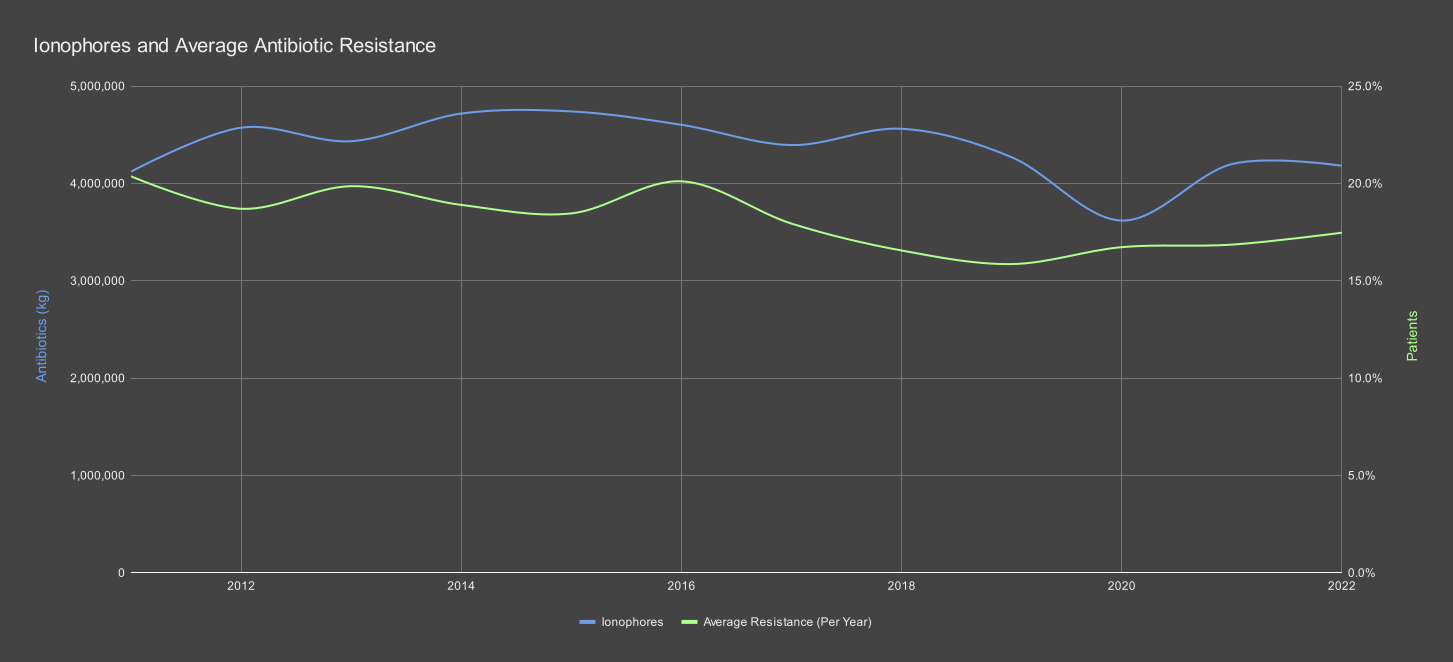
Since these two classes of antibiotics, Ionophores and Tetracyclines, were the most commonly used in the food supply I wanted to see if there was any relationship between the amount of these antibiotics being used and the average antibiotic resistance of all the patients tested. The Antibiotics (kg) axis is measuring the amount of antibiotic drugs used by food producers. The Patients axis is measuring the percentage of people the CDC found antibiotic resistant bacteria in. According to these data, there does not seem to be a strong relationship between the amount of antibiotics and the prevalence of antibiotic resistance.
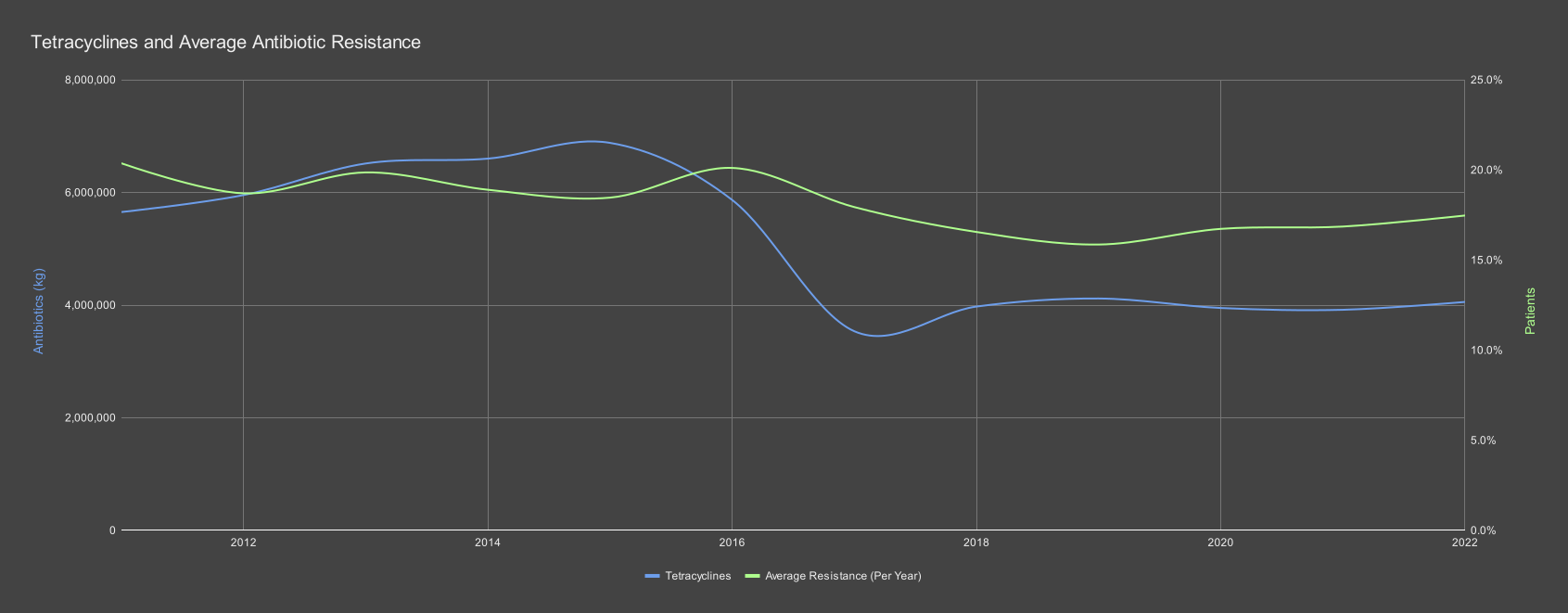
After finding the most prevalent antibiotics involved in the food supply I found the 10 most common antibiotic resistant bacteria found by the CDC.
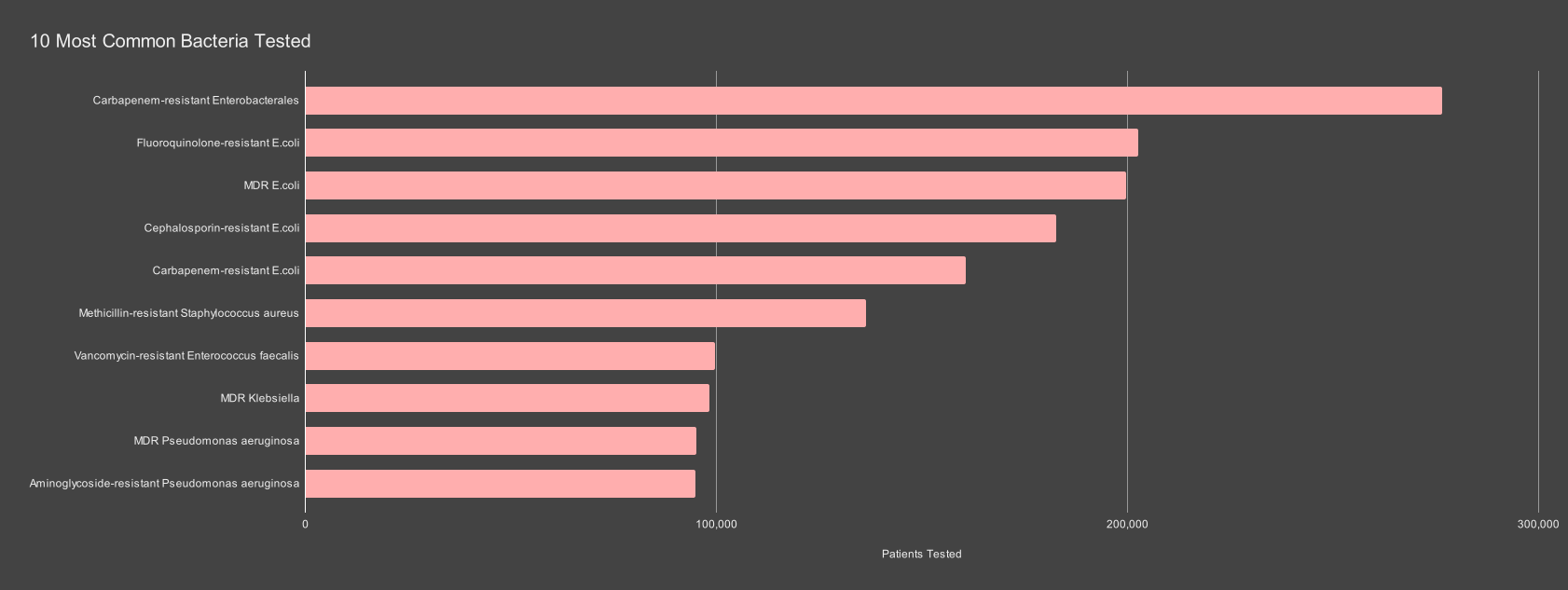
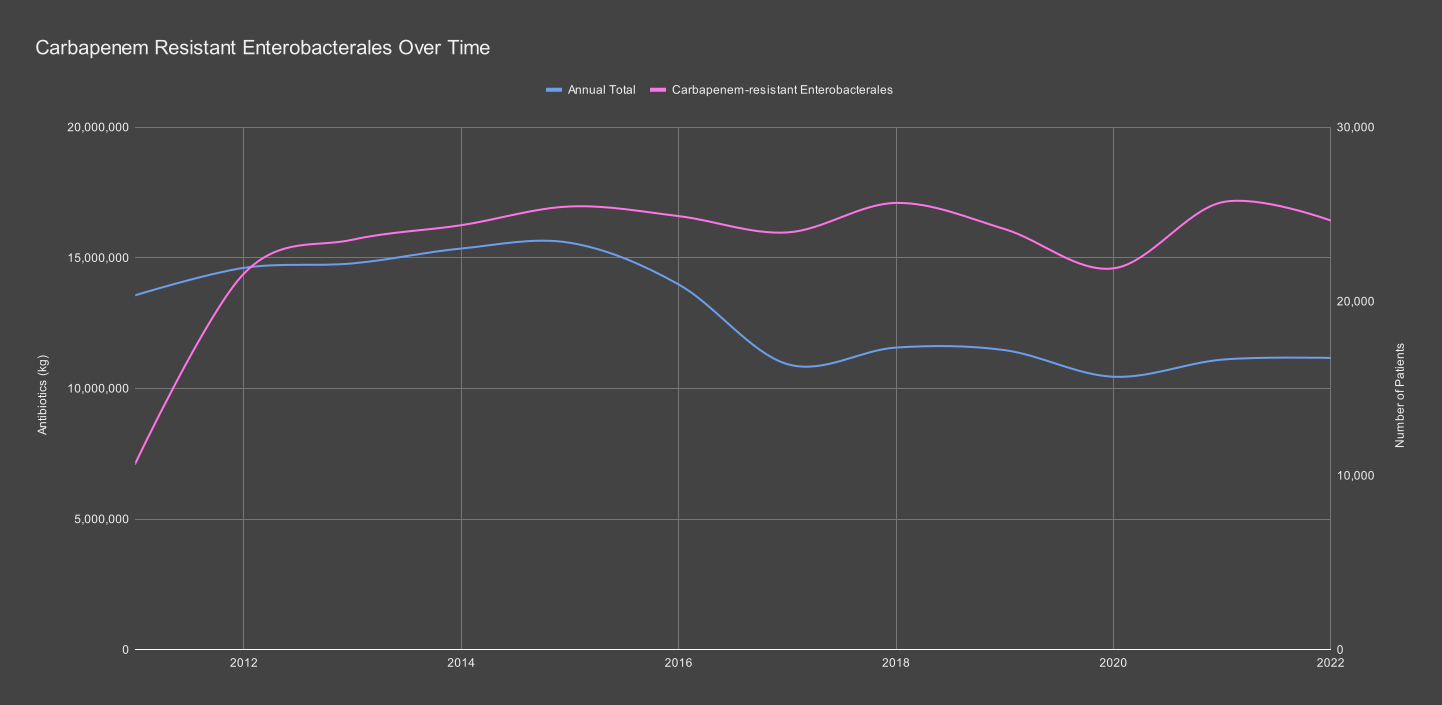
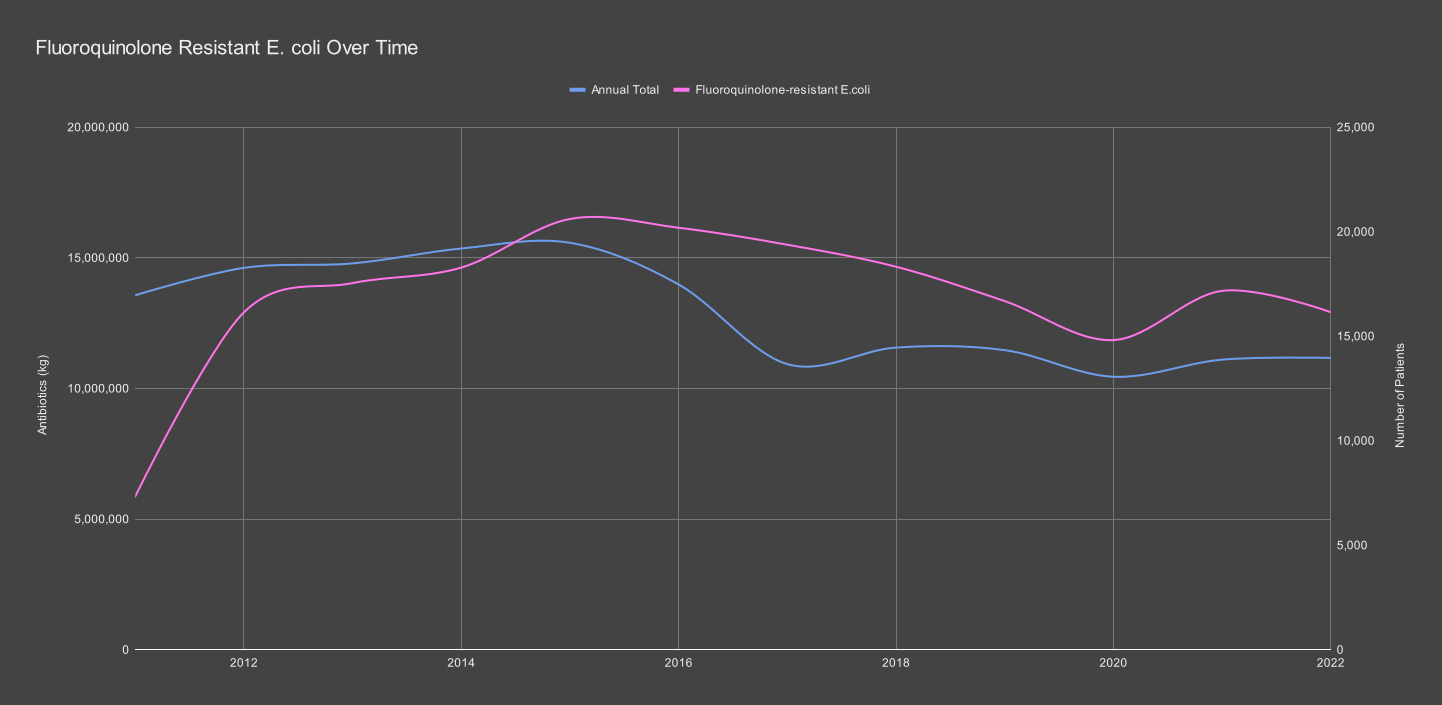
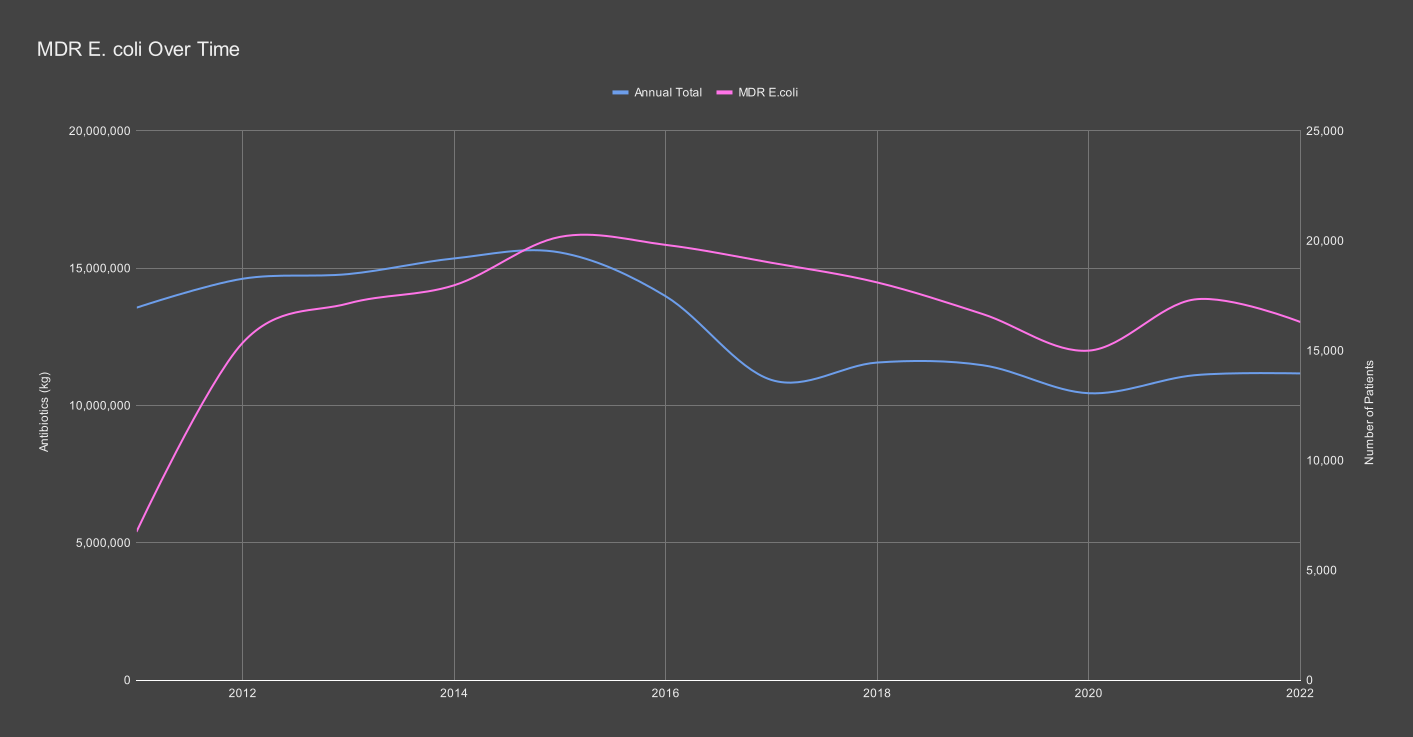
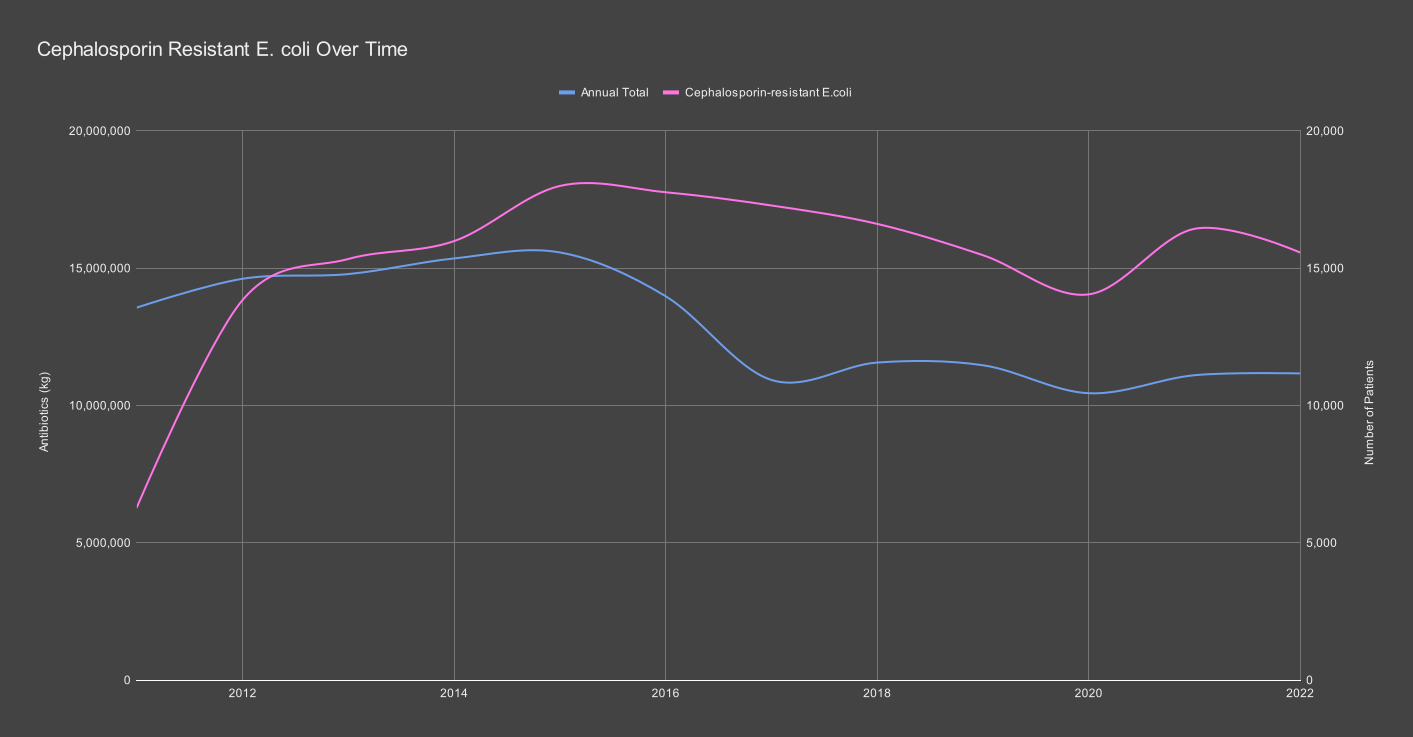
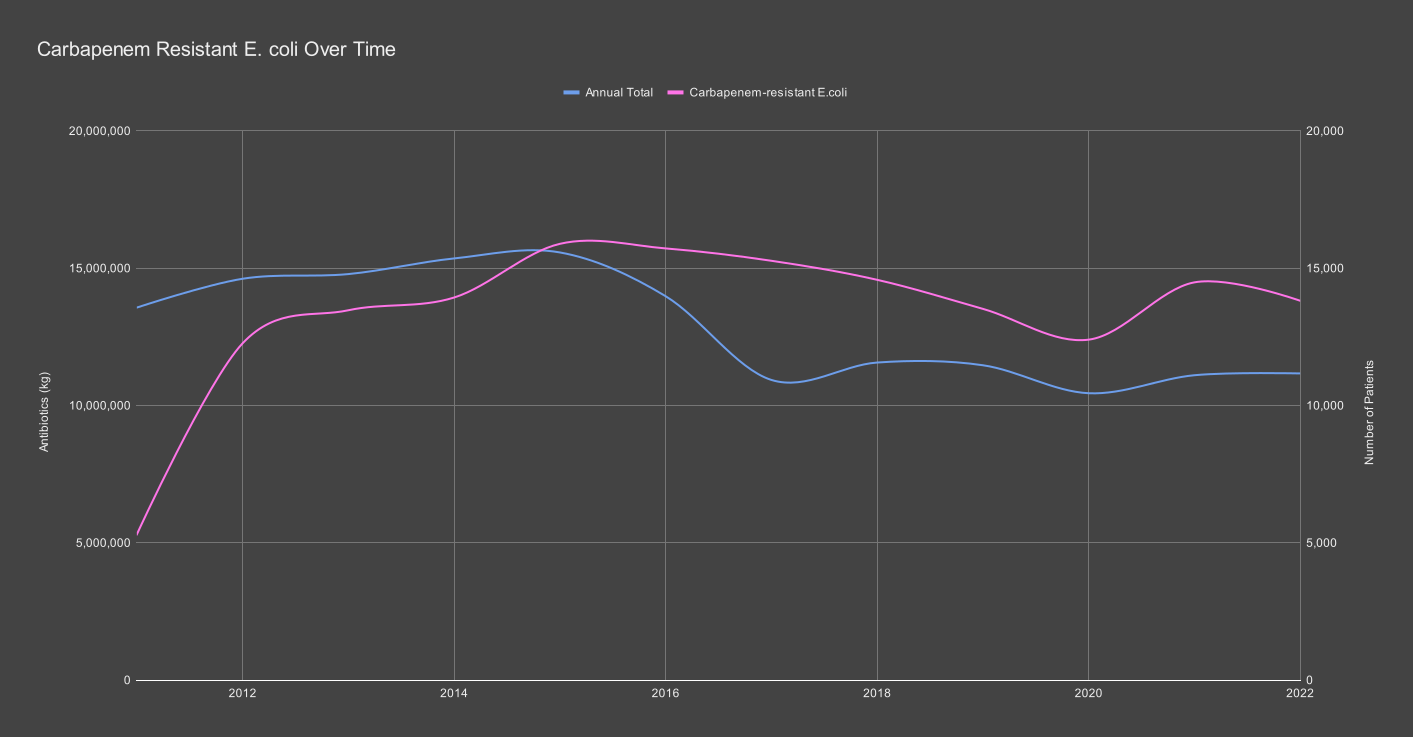
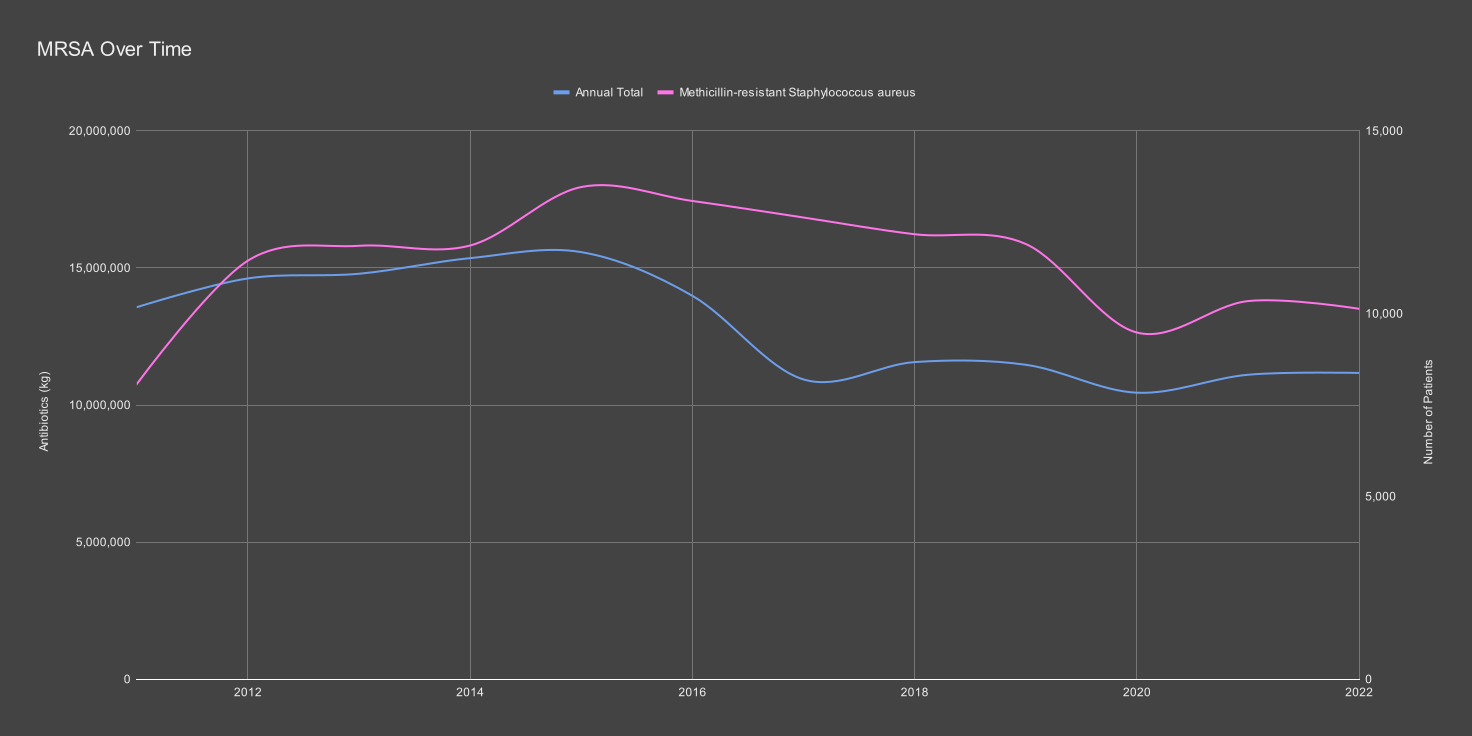
Next I wanted my students to see if there was any connection between the more common antibiotic resistant bacteria and the amount of antibiotics added to the food supply. We took the top 6 of the 10 most common antibiotic resistant bacteria species and compared the number of people that tested positive for a specific species of bacteria by the CDC and the amount of antibiotics added to the food supply according to the FDA.
Again we don’t see much correlation between the amount of people that have these varieties of bacteria and the amount of antibiotics used by food producers. (Note: Methicillin Resistant Staphylococcus aureus does not have “MDR” in its name but it is resistant to multiple categories of antibiotics beyond methicillin antibiotics.)